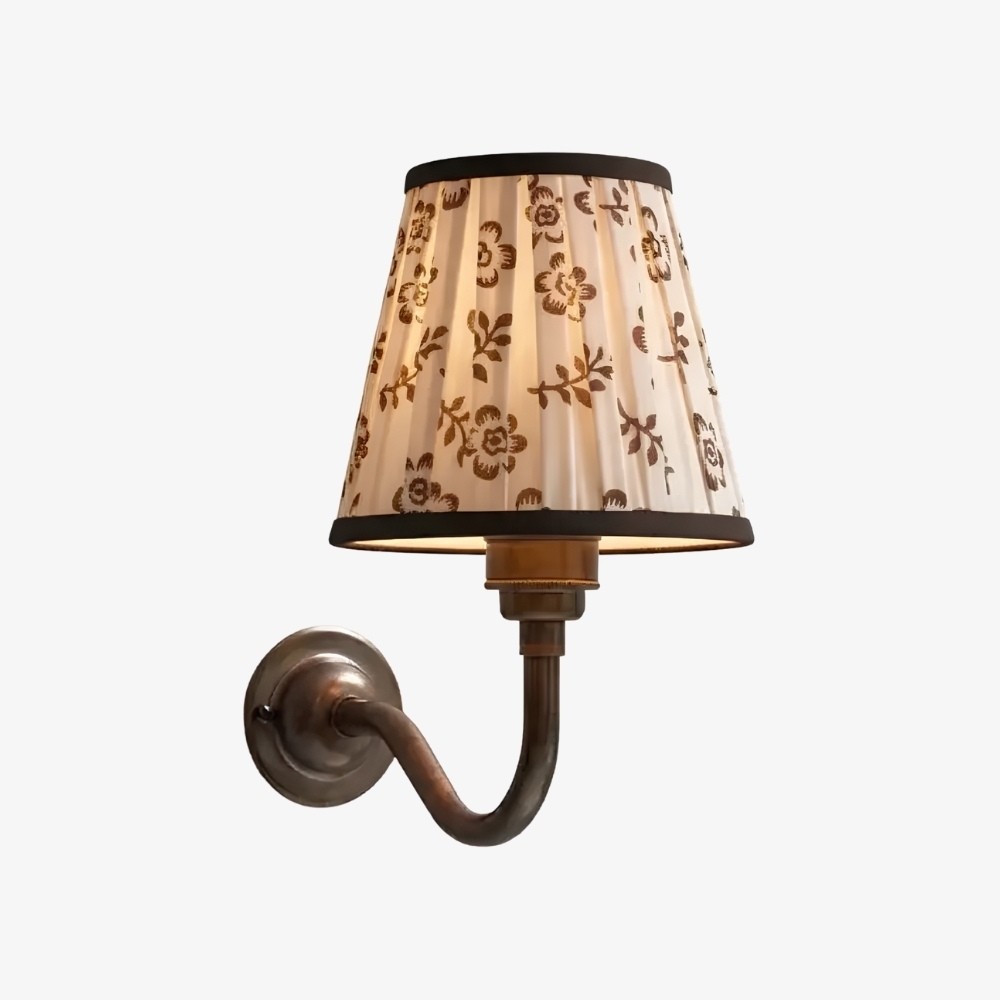
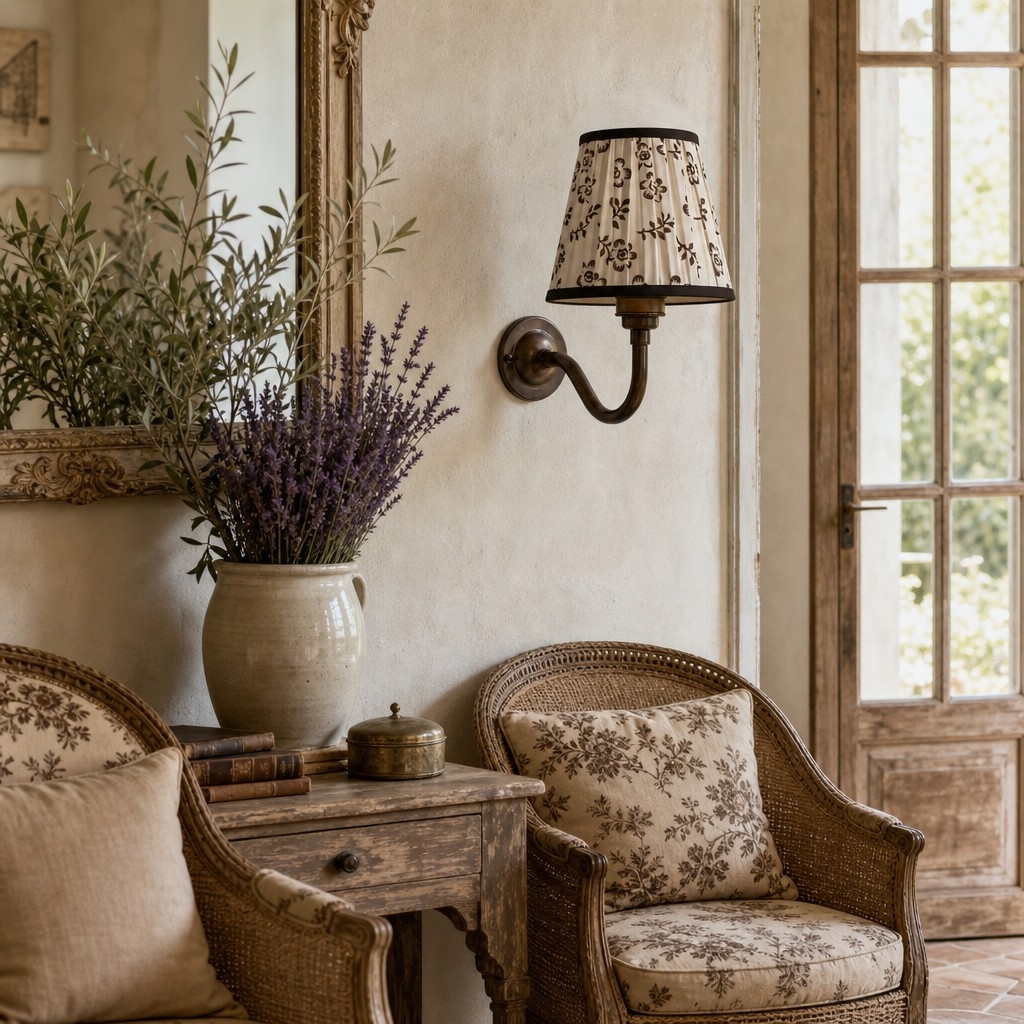
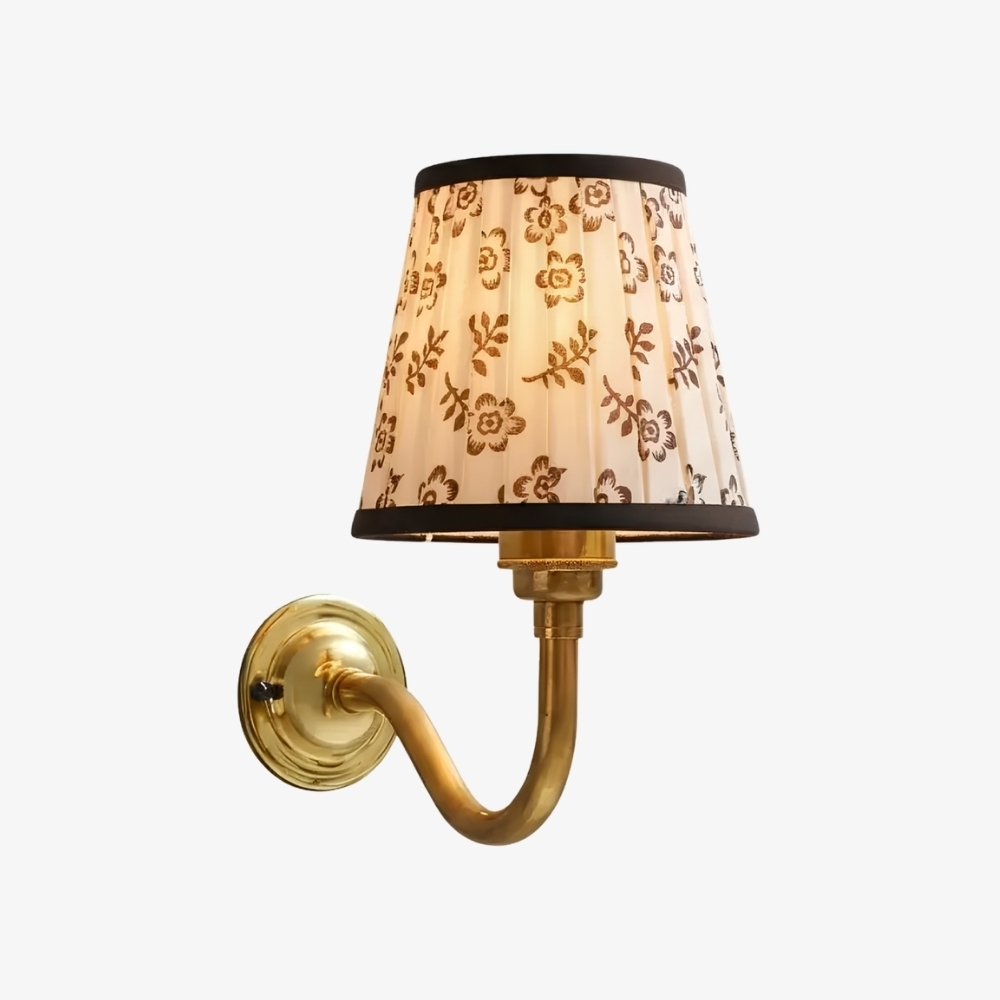
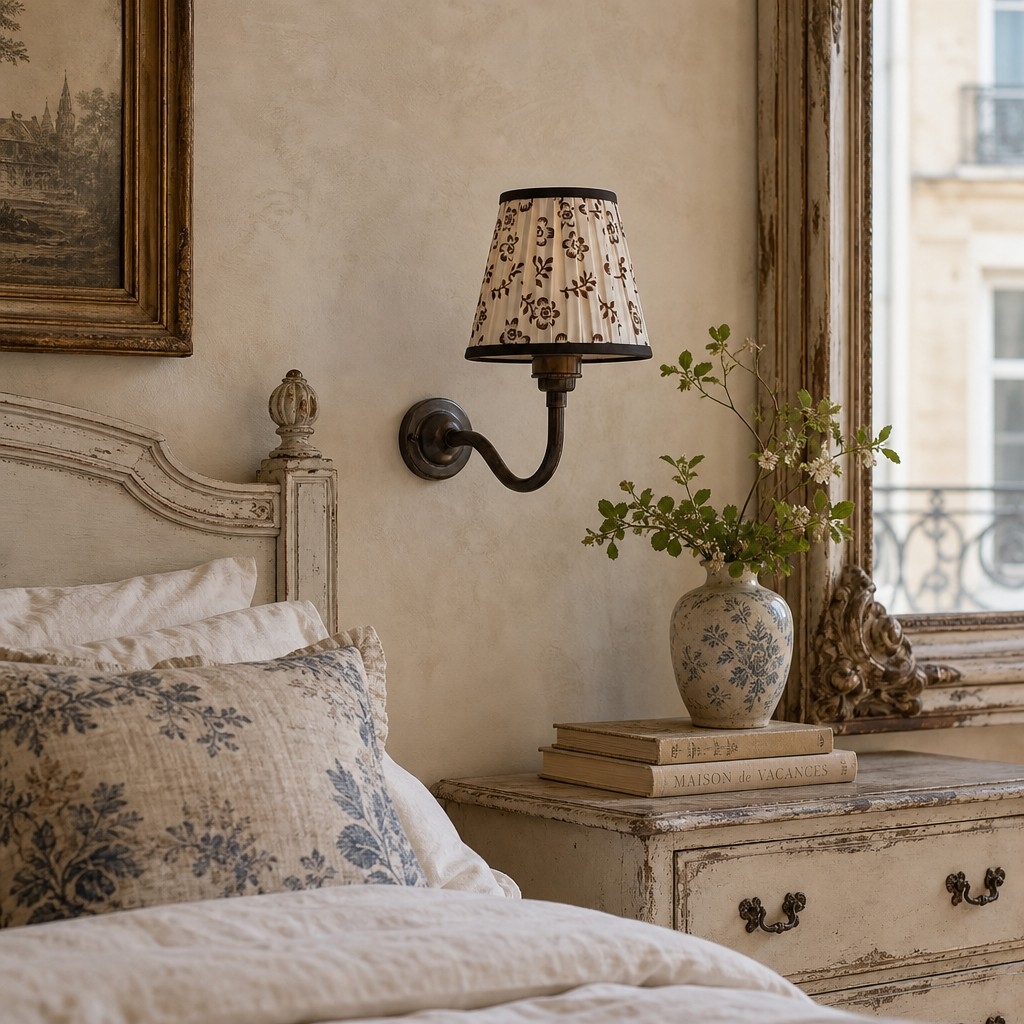
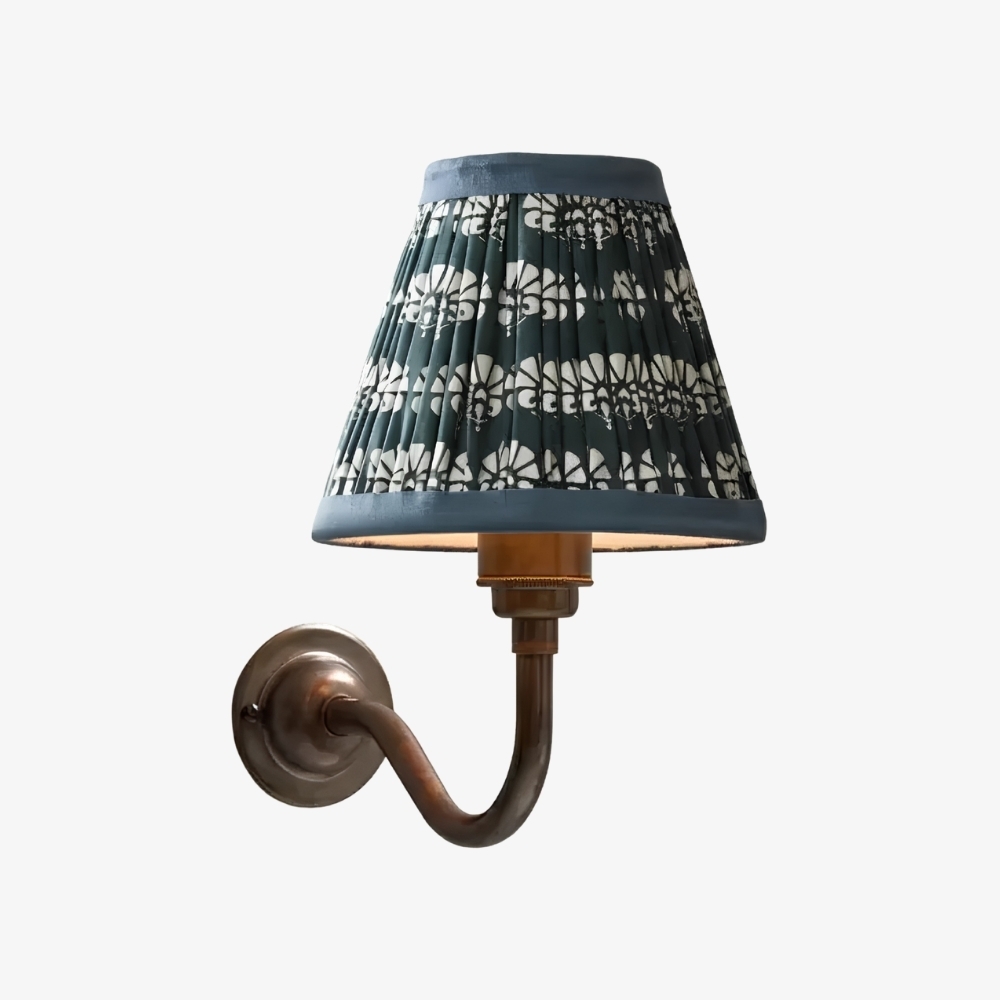
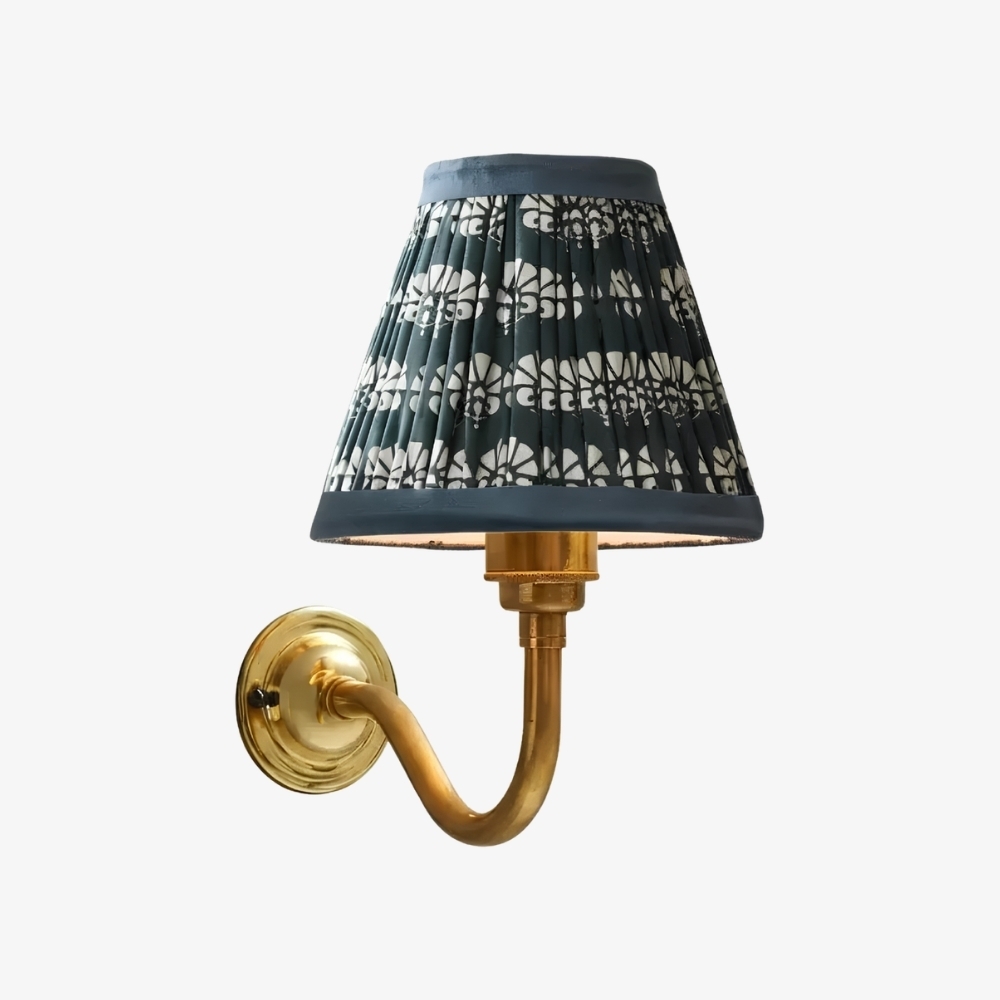
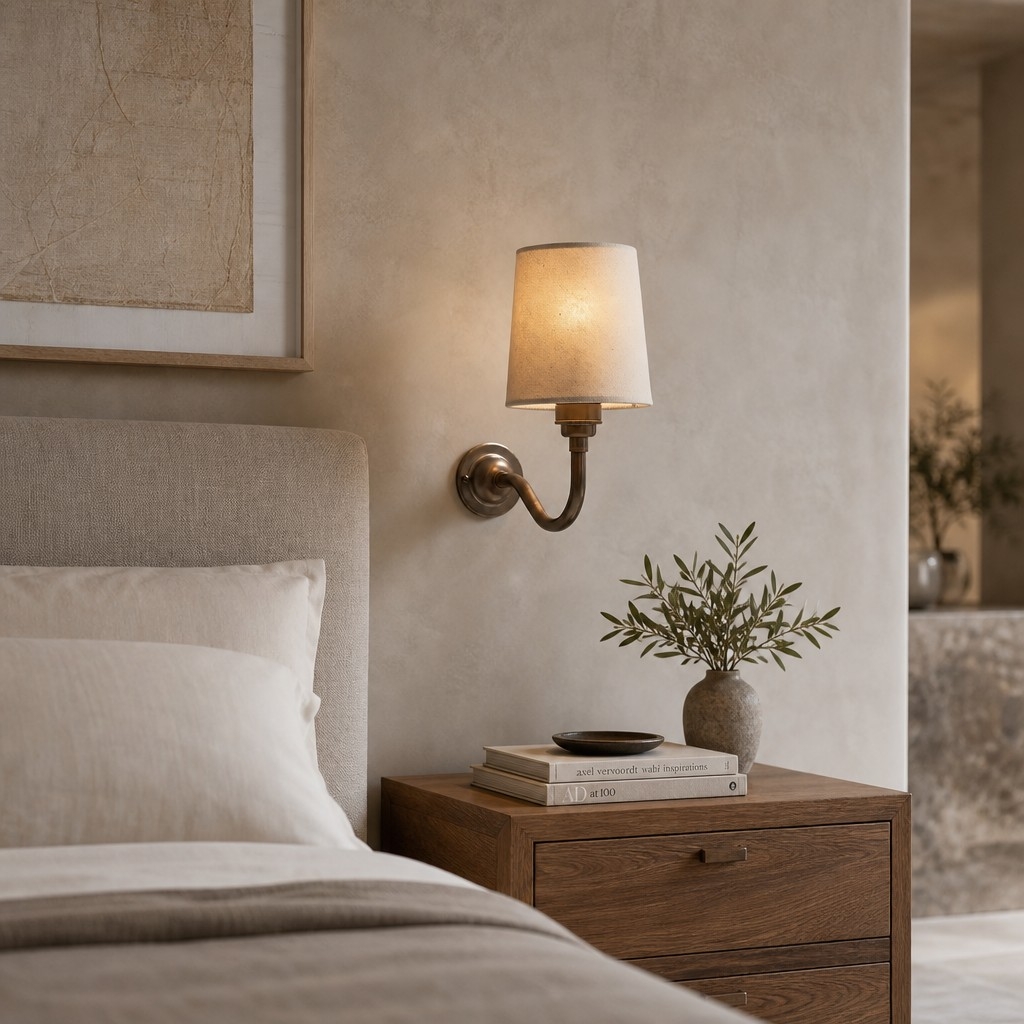
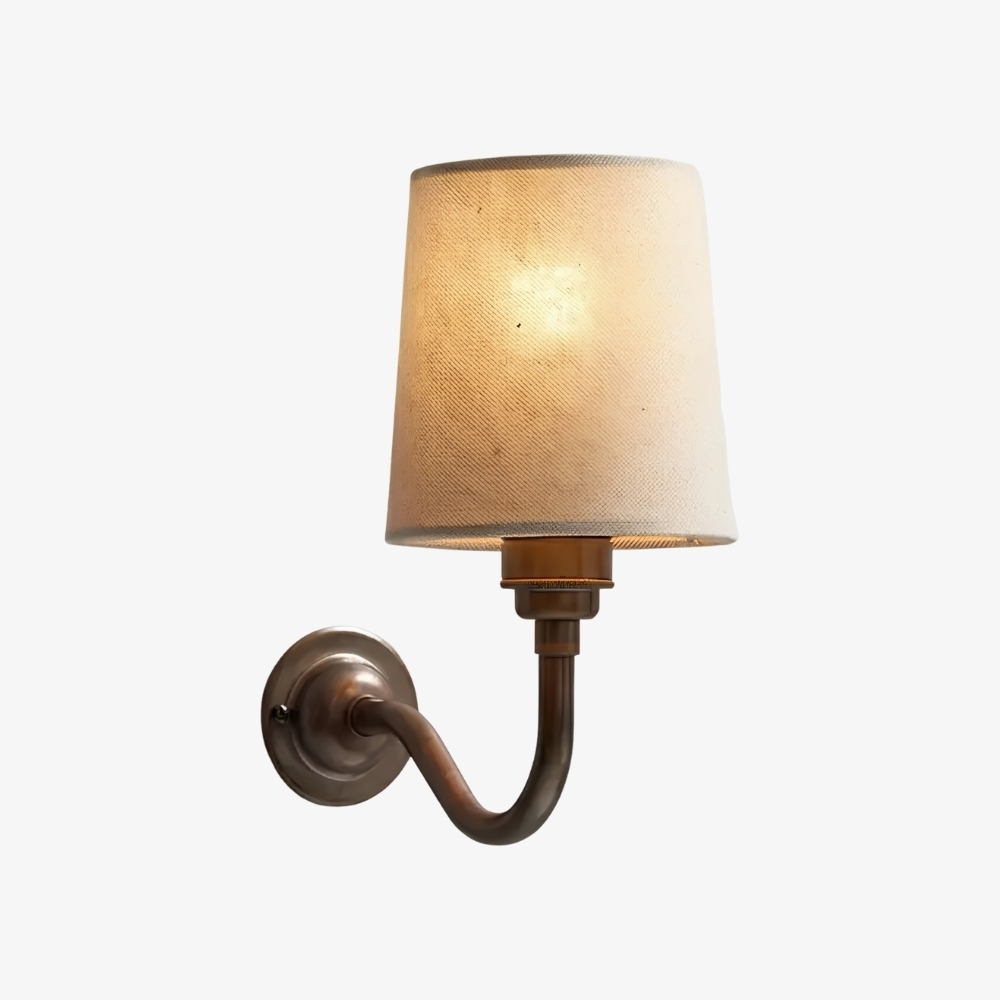
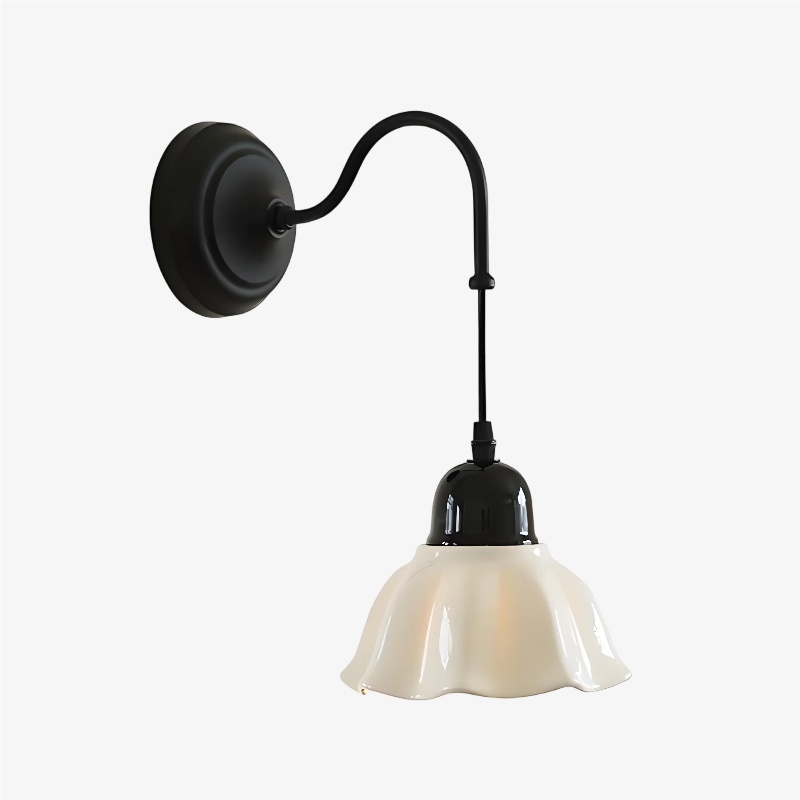
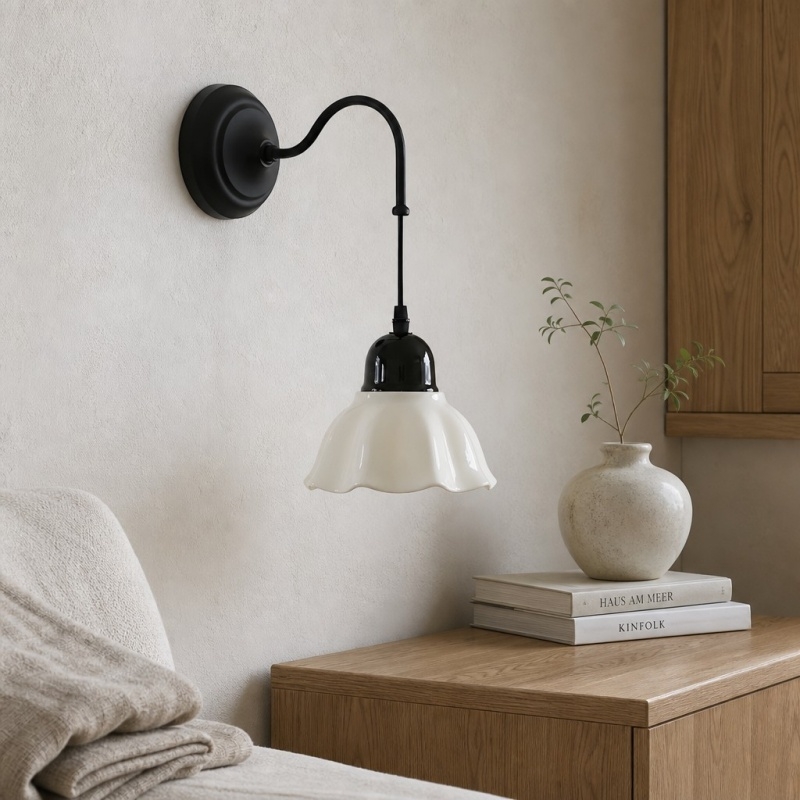
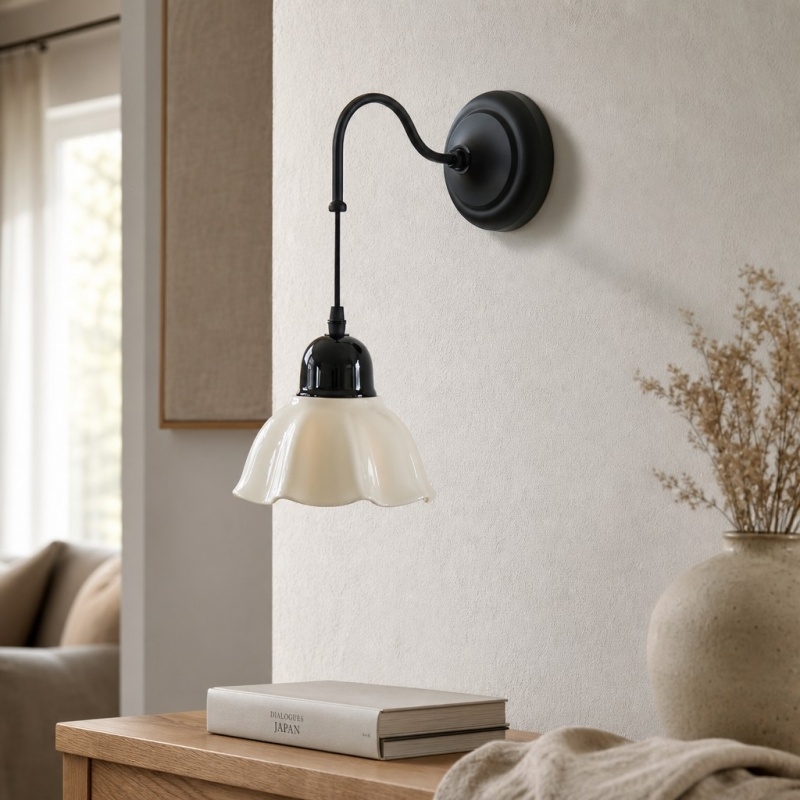
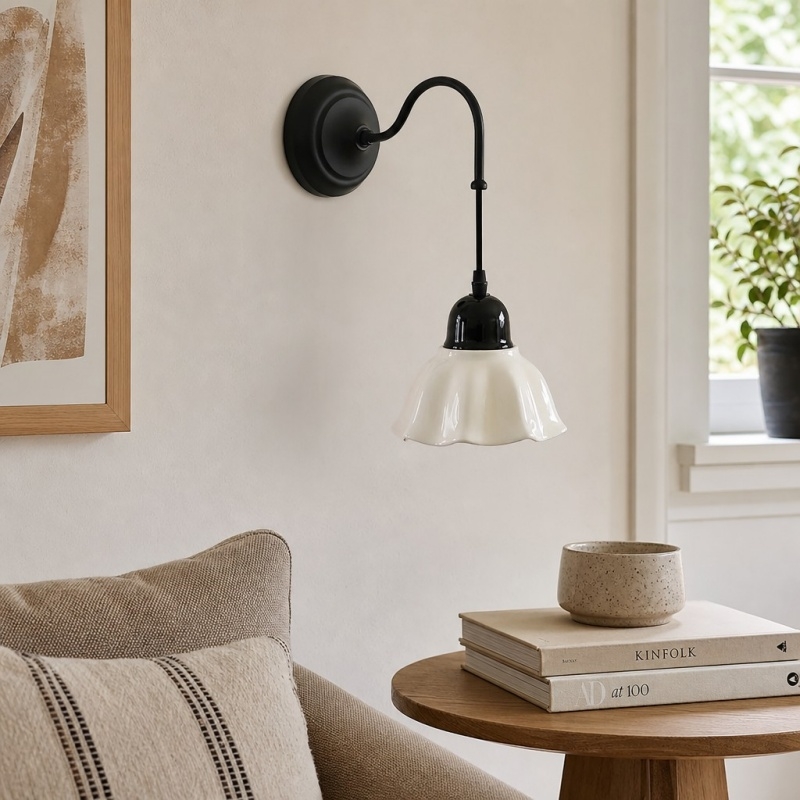
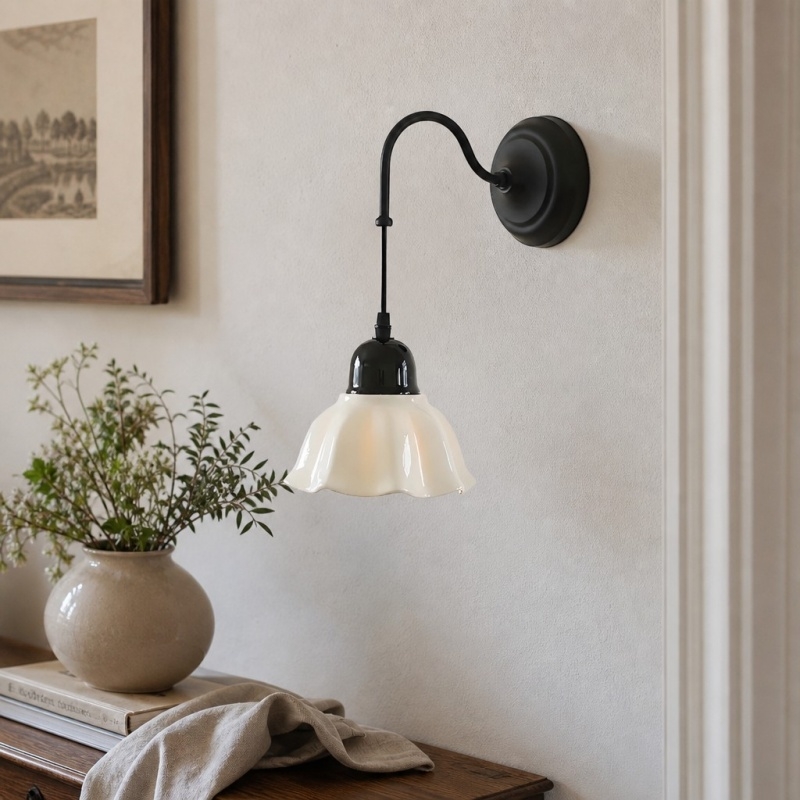
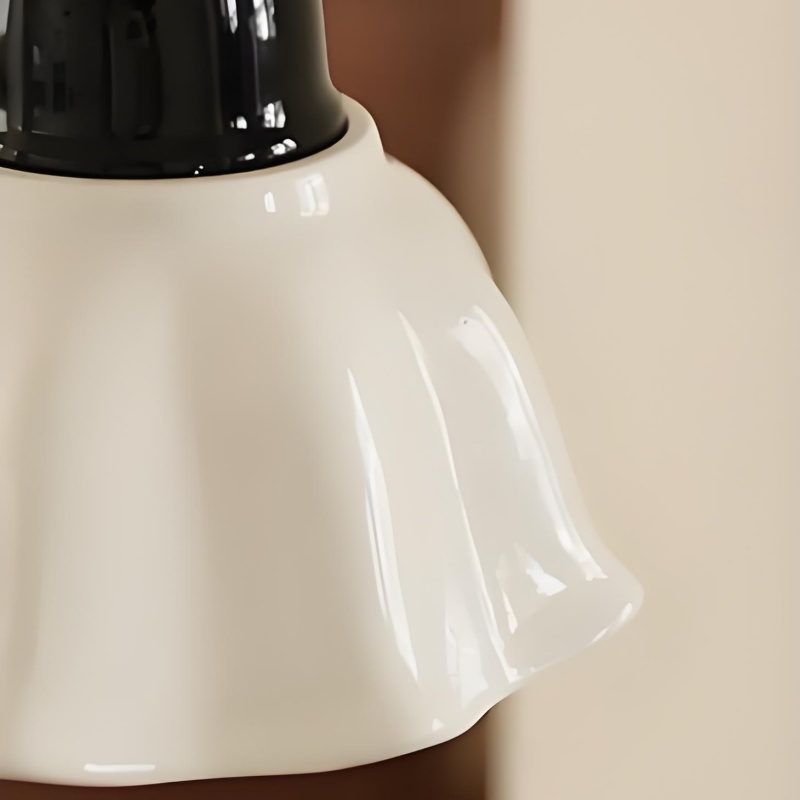
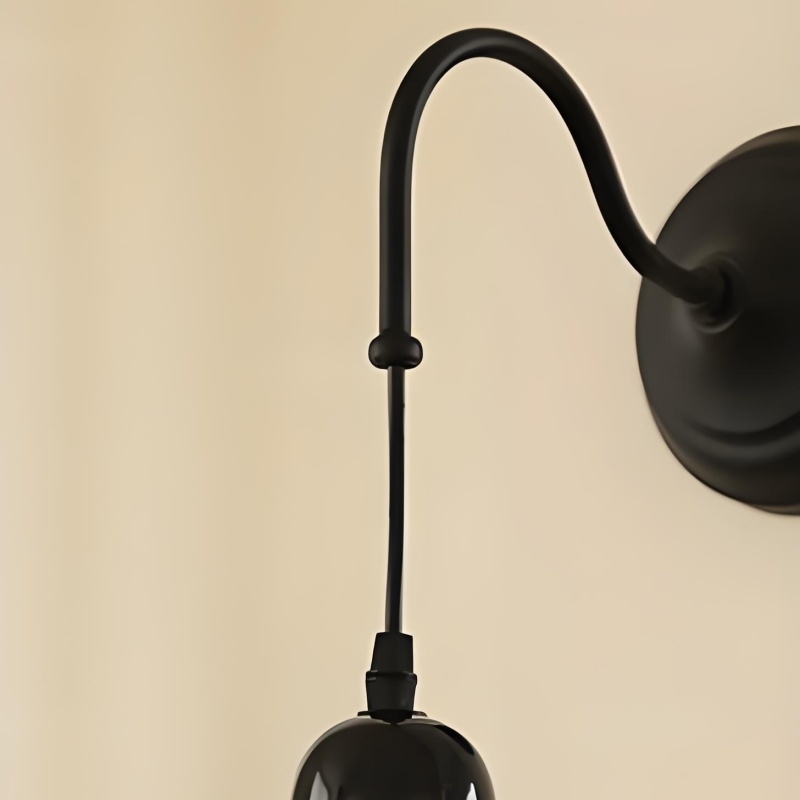
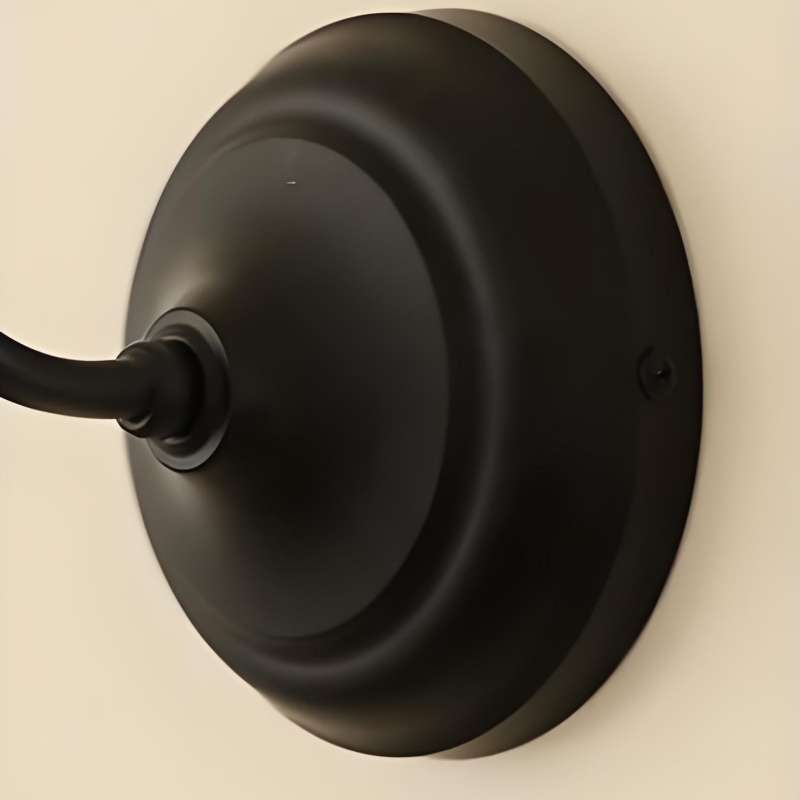
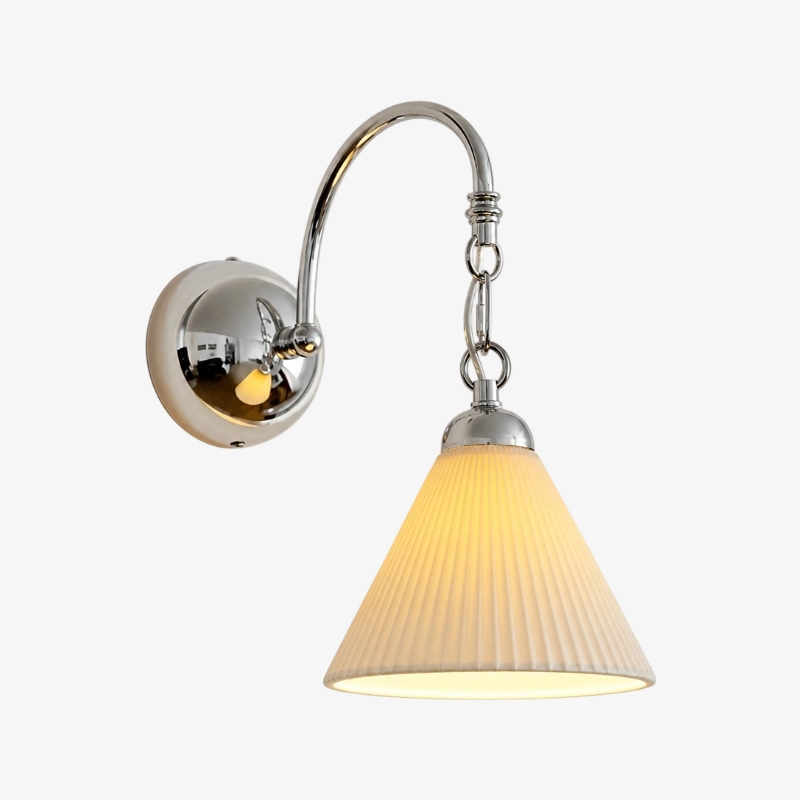
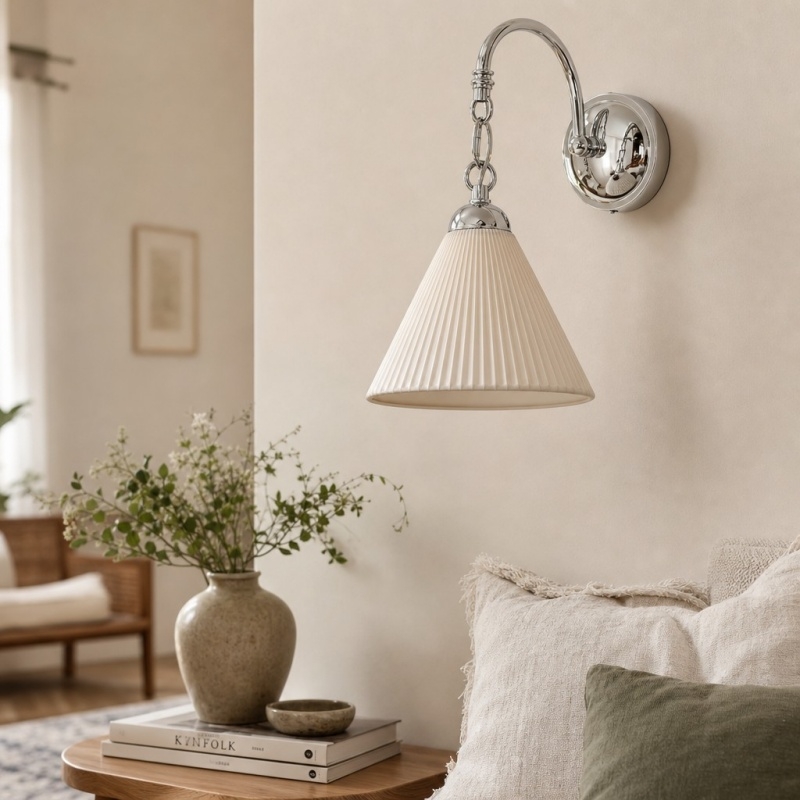
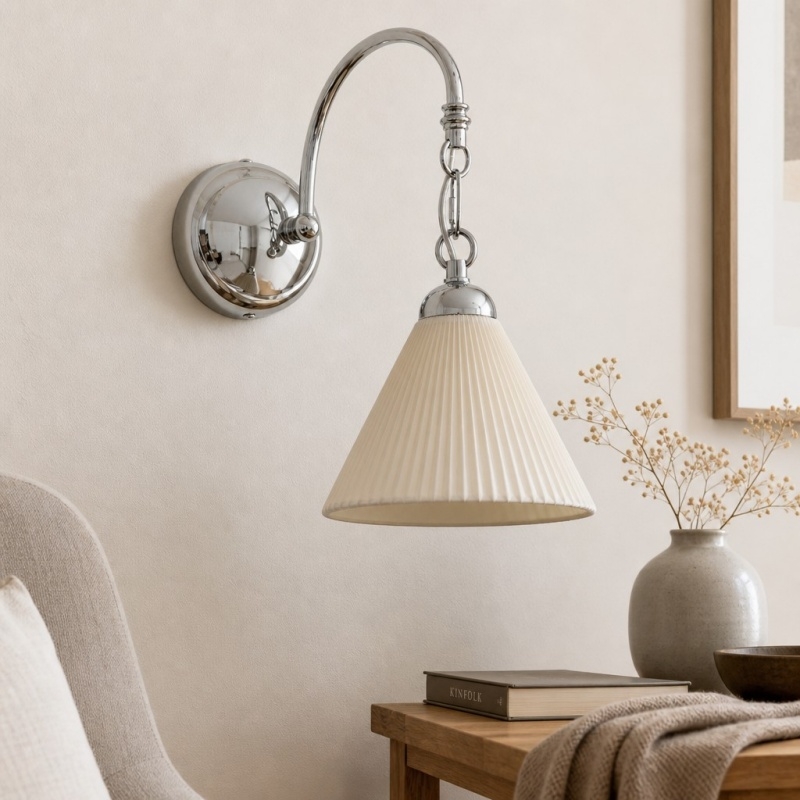
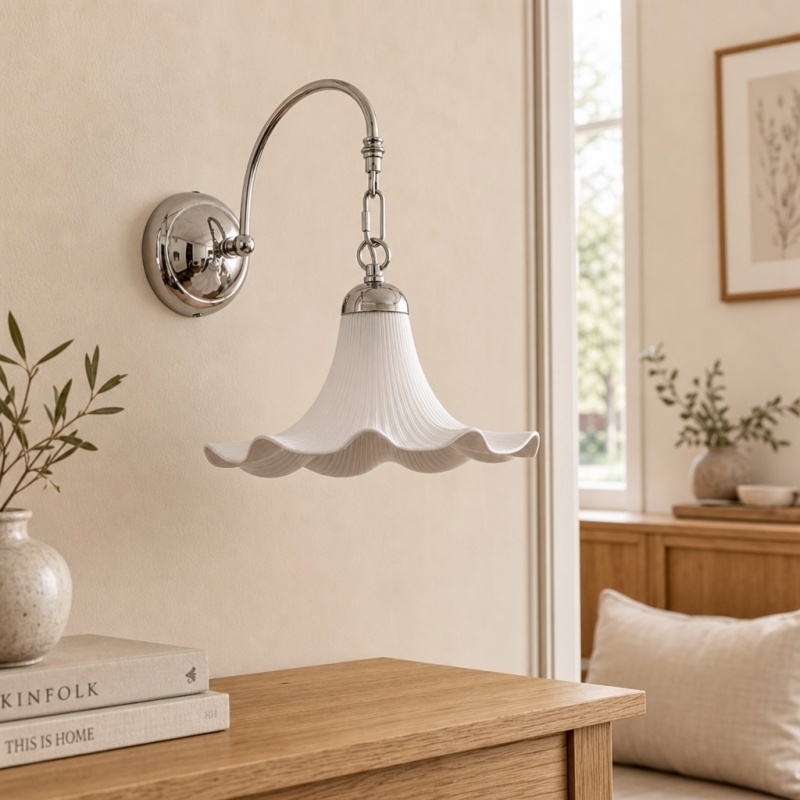
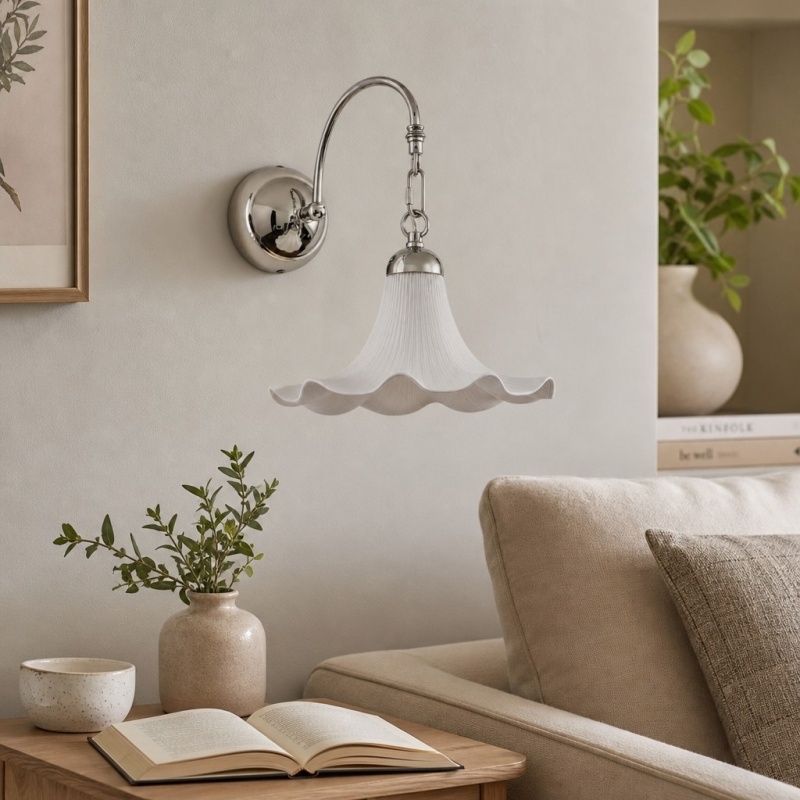
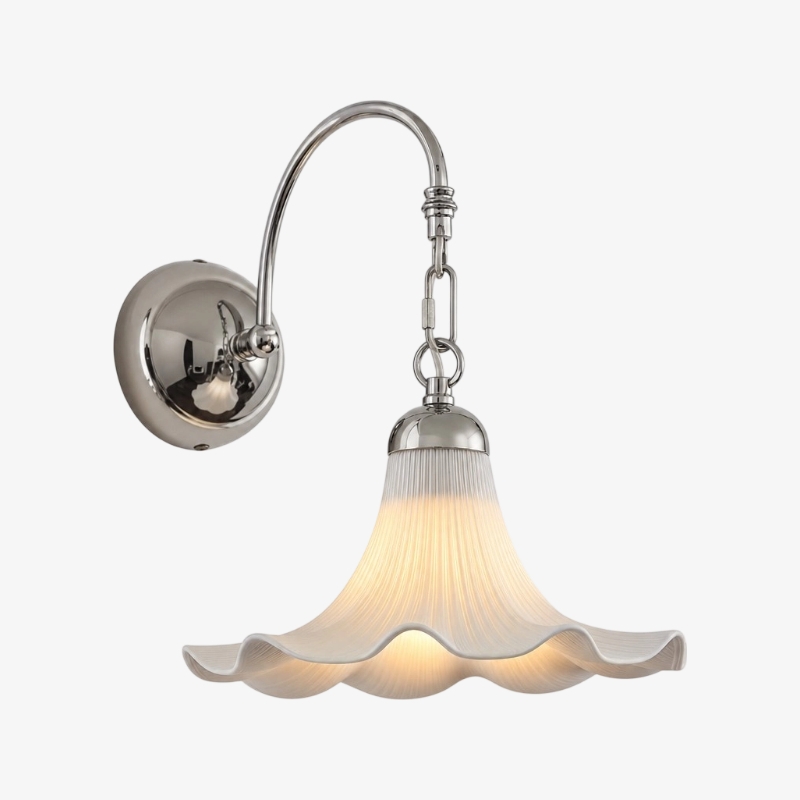
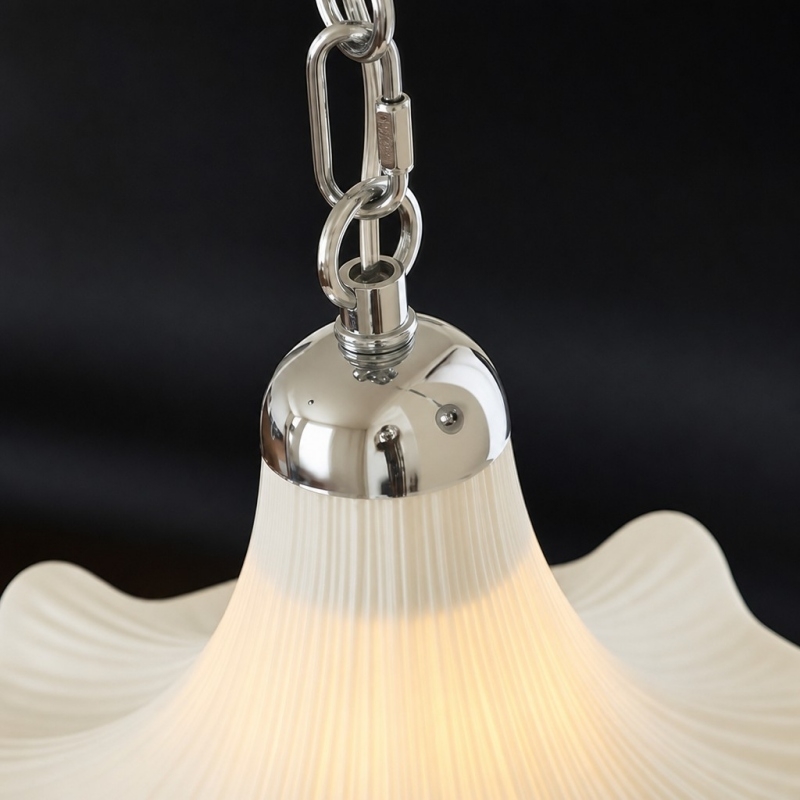
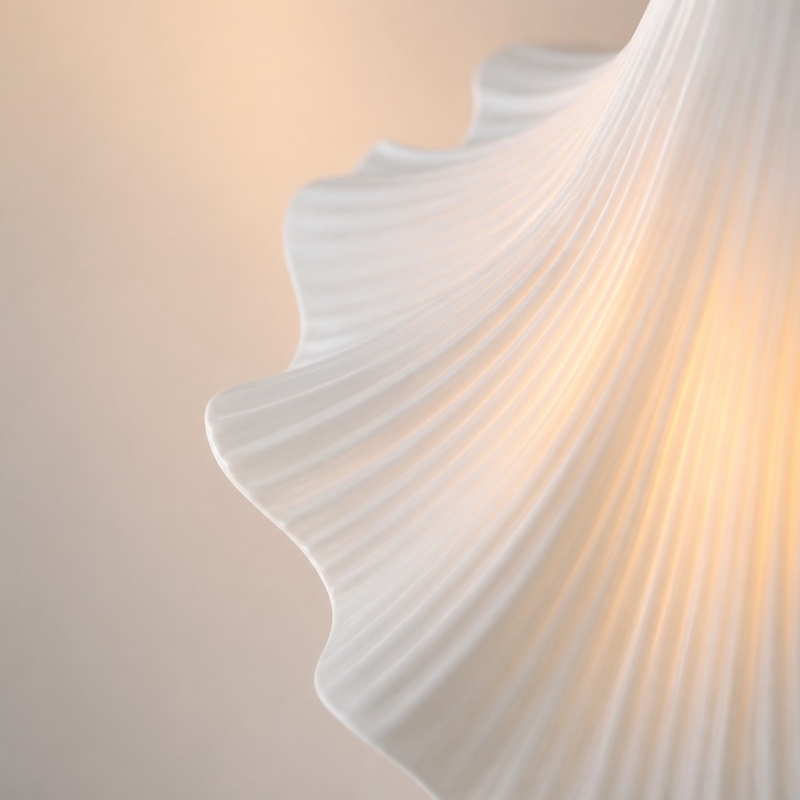
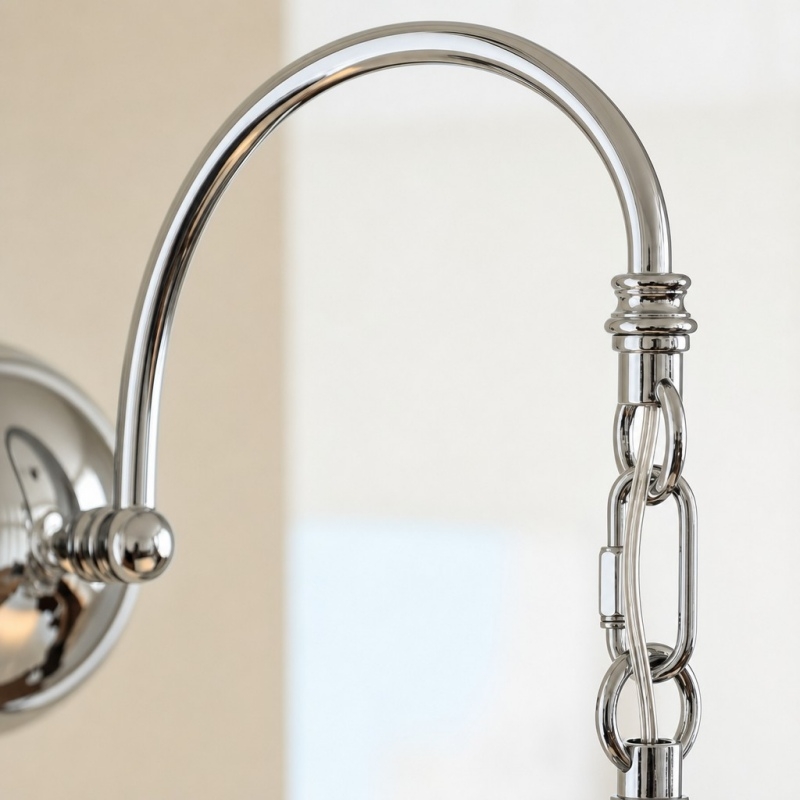
Bedroom wall lights are more than just practical light sources — they shape the mood of your private space, support daily routines, and free up valuable bedside surfaces. Choosing the right wall light can significantly improve comfort, functionality, and overall bedroom design.
This guide follows a clear, unified framework to help you select the best bedroom wall lights based on purpose, placement, style, and light quality.
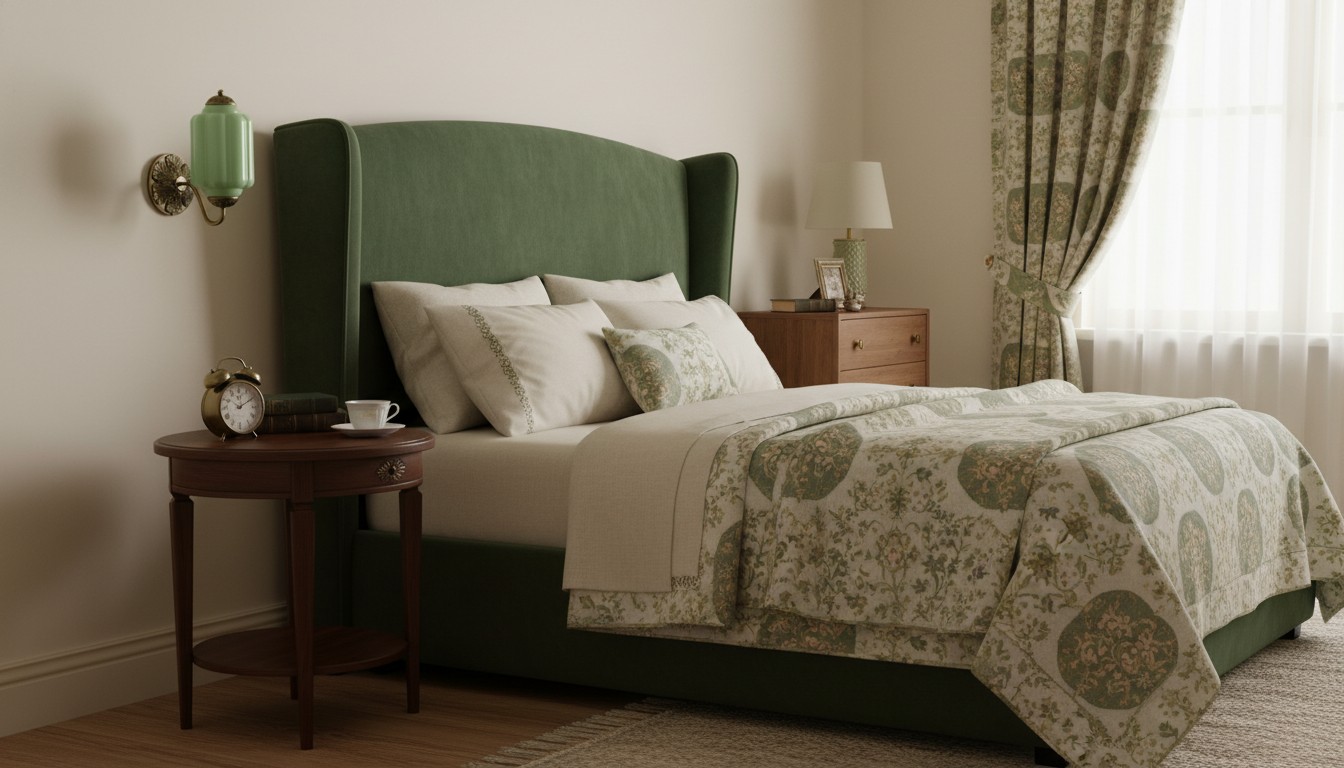
Define the Purpose of Your Bedroom Wall Lights
The first step is understanding how the wall light will be used in your bedroom.
Common purposes include:
Bedside reading light: Focused illumination for reading without disturbing others
Ambient lighting: Soft light that creates a calm, relaxing atmosphere
Accent lighting: Highlights artwork, headboards, or architectural details
In most bedrooms, wall lights work best when they combine functionality with atmosphere, rather than acting as the sole light source.
Choose the Right Placement and Height
Proper placement is essential for comfort and usability.
Typical guidelines:
Beside the bed: Install wall lights 6–12 inches above the mattress top
Reading lights: Position the light slightly behind and above shoulder level
Accent lights: Align with artwork or design features for visual balance
Correct placement reduces glare and ensures the light falls exactly where it’s needed.
Select the Appropriate Light Direction
Light direction directly affects how comfortable the wall light feels.
Adjustable or swing‑arm lights: Ideal for bedside reading
Up‑and‑down wall lights: Create soft ambient lighting
Downward light: Practical for focused tasks
For bedrooms, avoid harsh, exposed bulbs that shine directly into the eyes.
Match the Wall Light to Your Bedroom Style
Wall lights should visually integrate with the rest of the room.
Popular bedroom styles and suitable wall lights:
Modern / Minimalist: Slim profiles, matte finishes, clean lines
Bauhaus / Mid‑Century: Functional forms, balanced geometry, opal glass
Nordic / Scandinavian: Soft shapes, light wood accents, warm tones
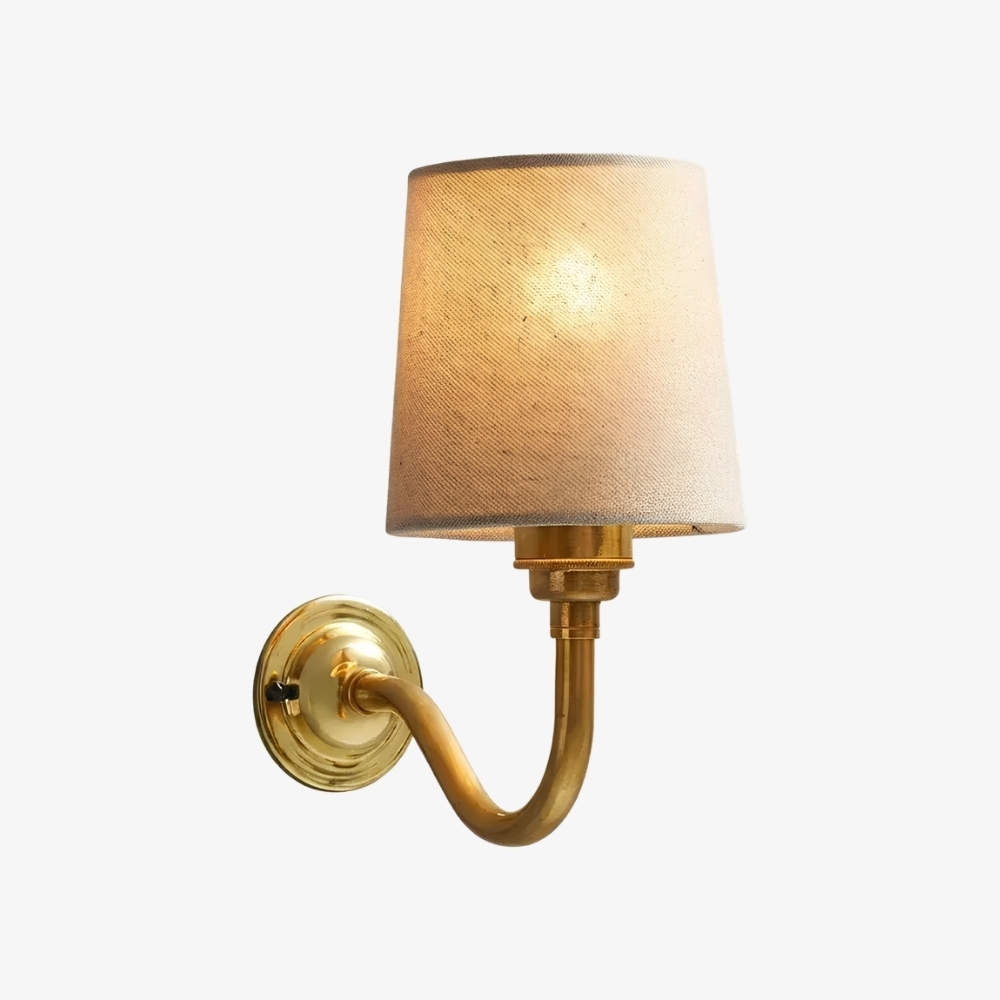
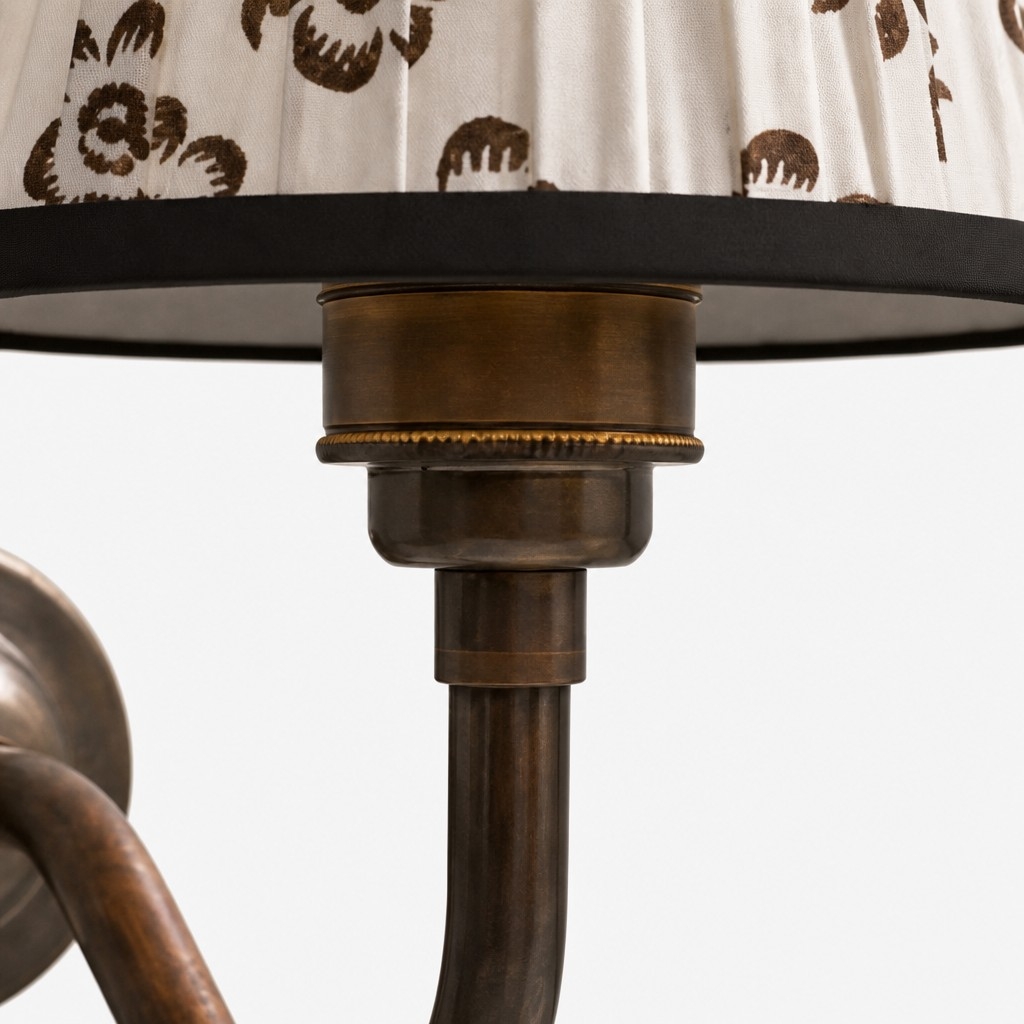
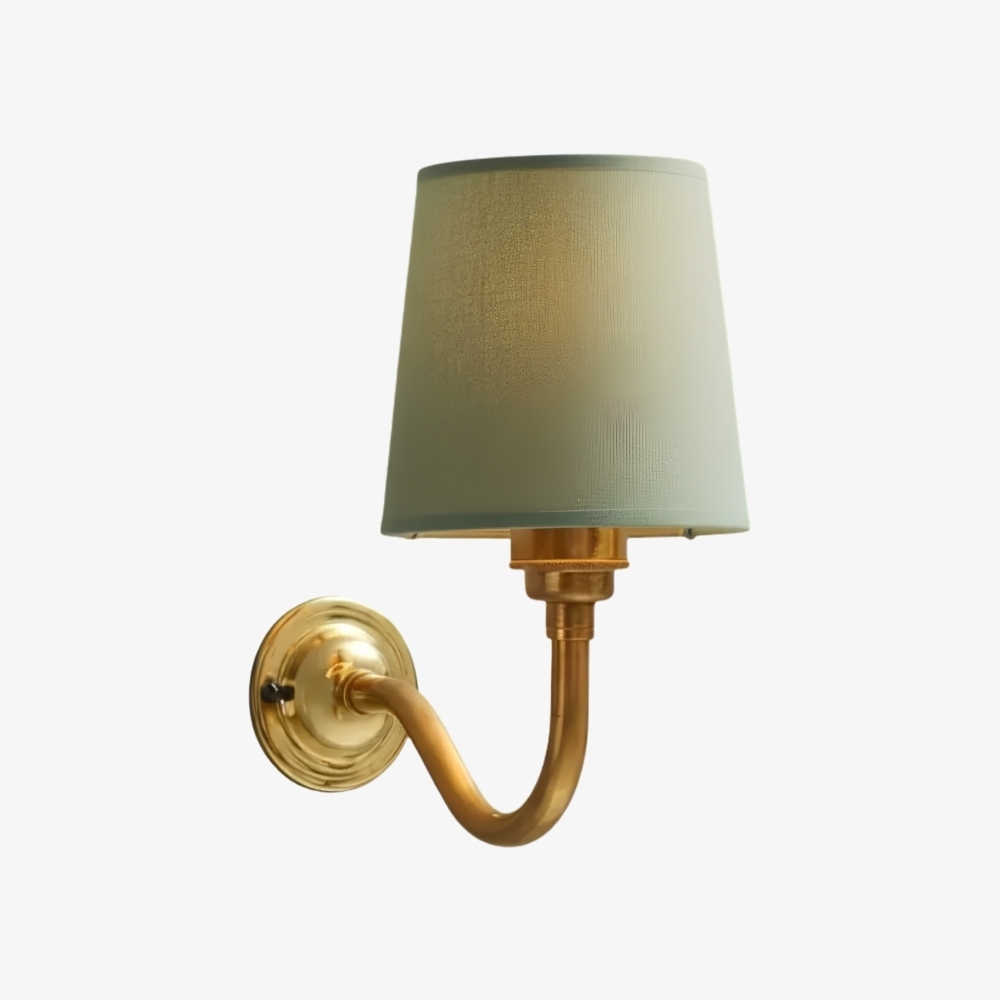
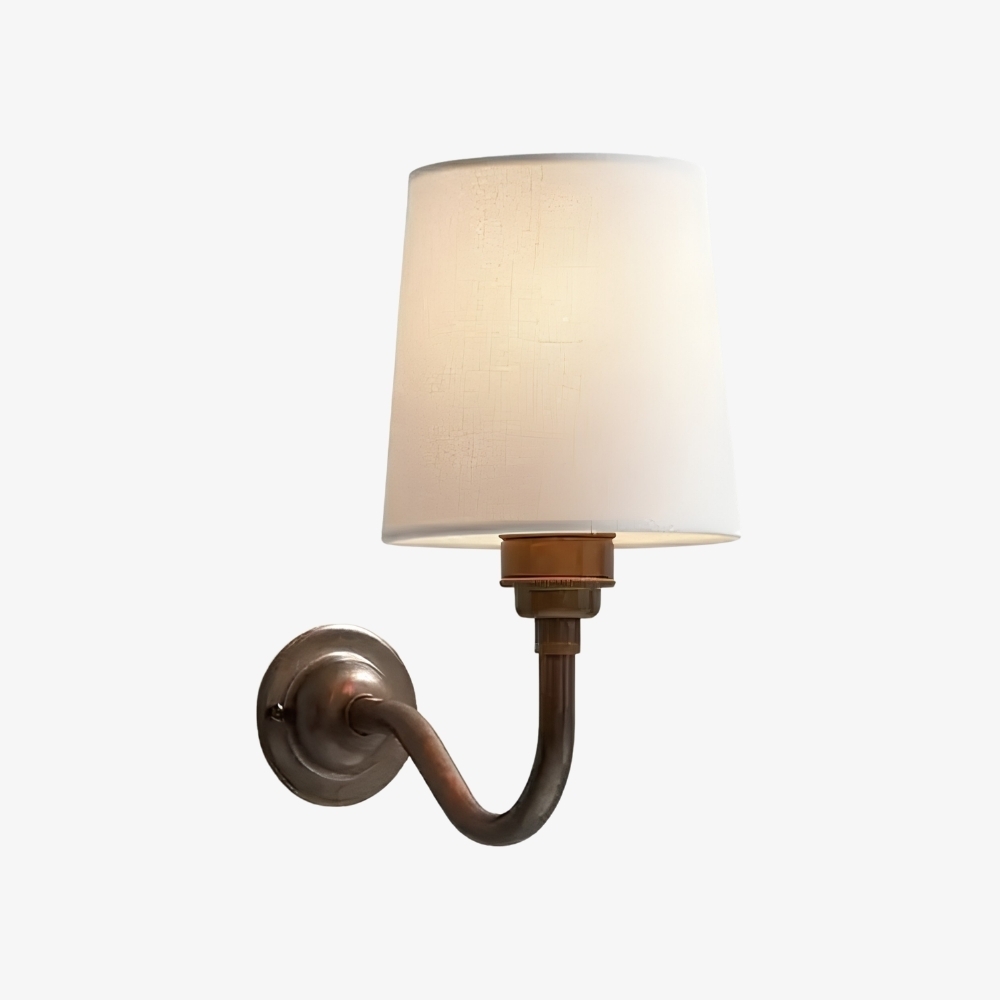
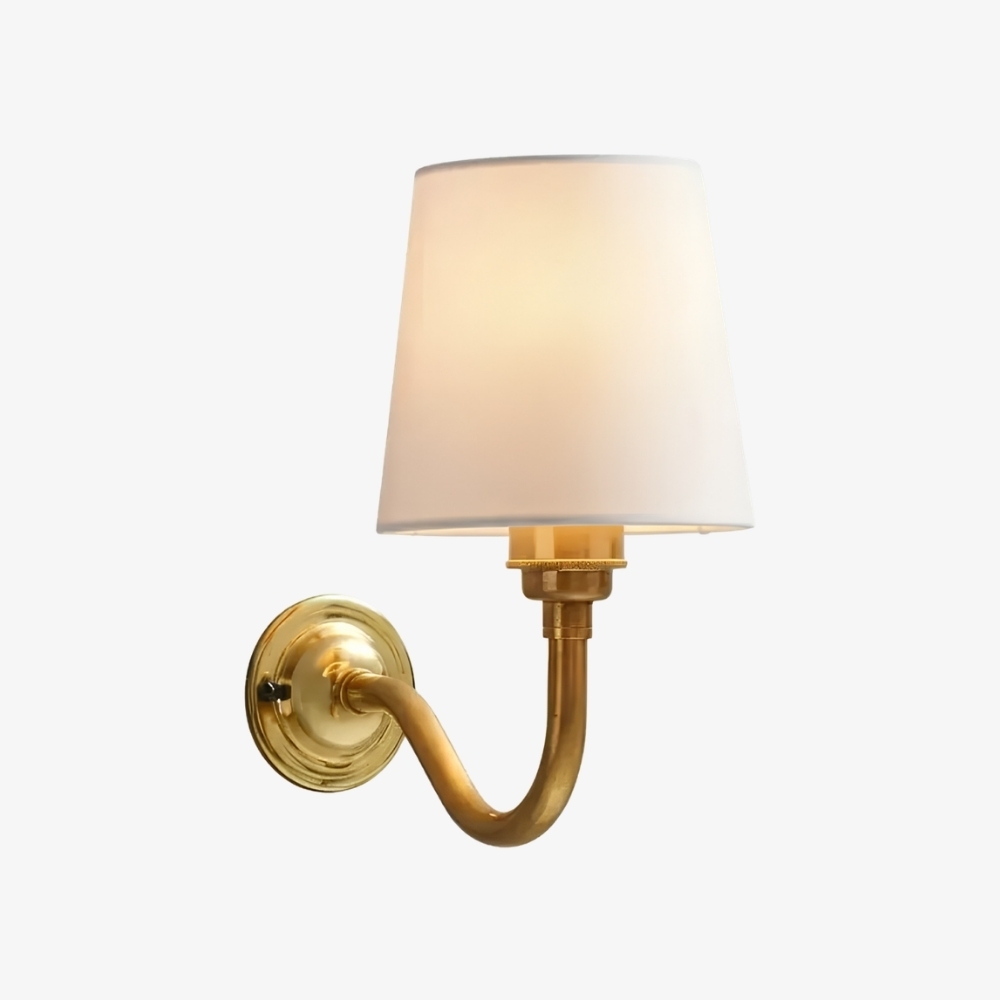
Hotel‑inspired: Symmetry, fabric or frosted shades, elegant metals
Consistency in style helps the bedroom feel calm and intentional.
Consider Switch Type and Control Options
Ease of control is especially important in bedrooms.
Popular options include:
Built‑in on/off switches for bedside convenience
Dimmable wall lights for flexible mood control
Touch or pull switches for minimal setups
Well‑placed controls eliminate the need to get out of bed to turn off the light.
Choose Materials That Enhance the Mood
Material choice affects both aesthetics and light diffusion.
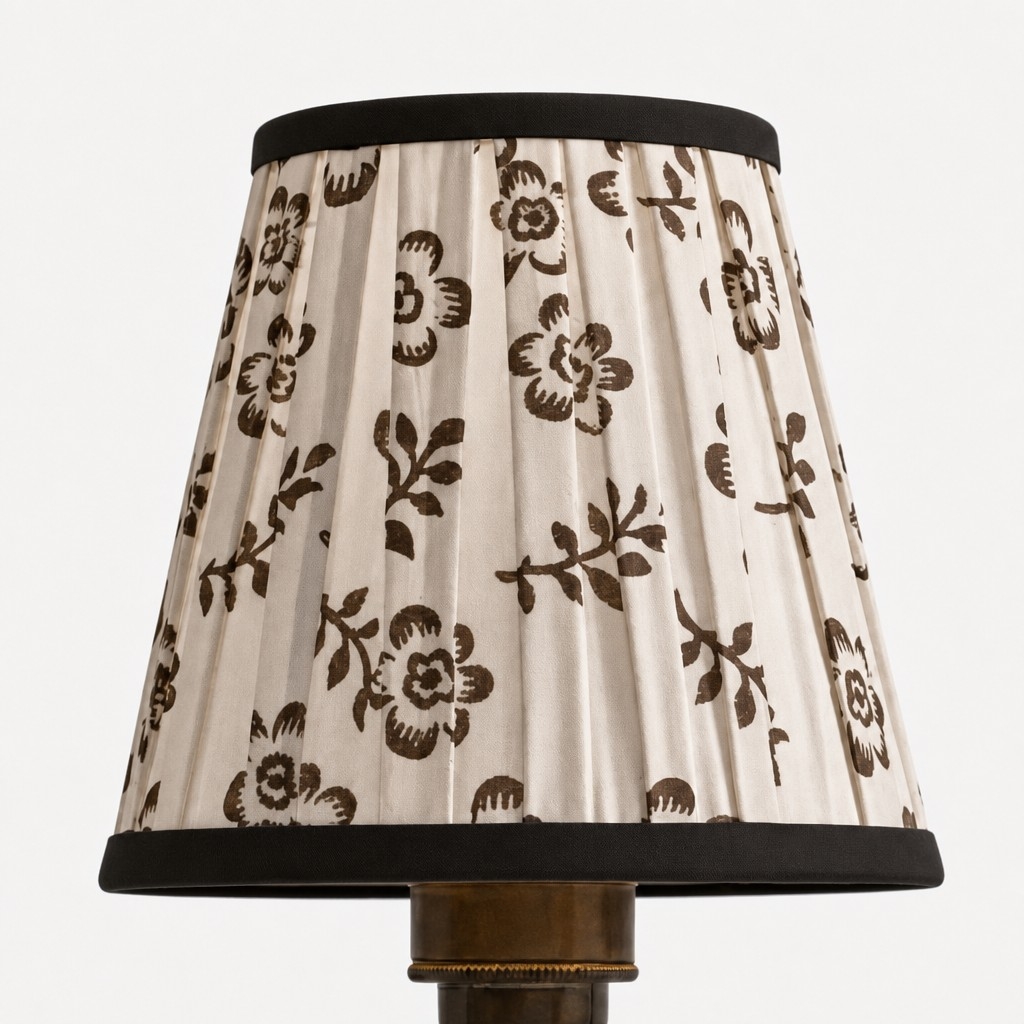
Fabric or frosted glass: Softens light and creates warmth
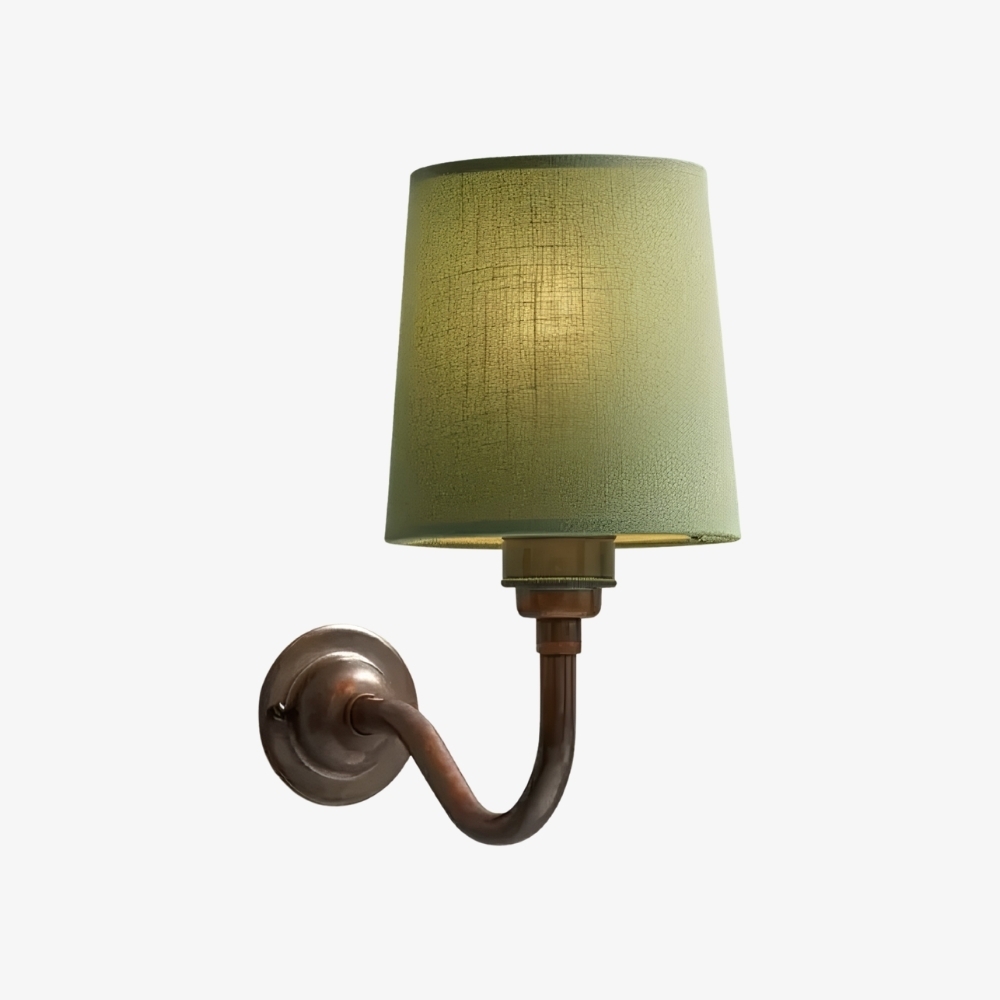
Metal: Adds structure and a modern feel
Mixed materials: Balance comfort and design interest
In bedrooms, materials should feel warm, quiet, and visually soothing.
Use Wall Lights as Part of Layered Bedroom Lighting
Wall lights work best when combined with other light sources.
A balanced bedroom lighting plan includes:
Ceiling or pendant lighting
Wall lights on one or both sides of the bed
Optional floor or accent lighting
Layered lighting adds depth, improves usability, and enhances comfort throughout the day.
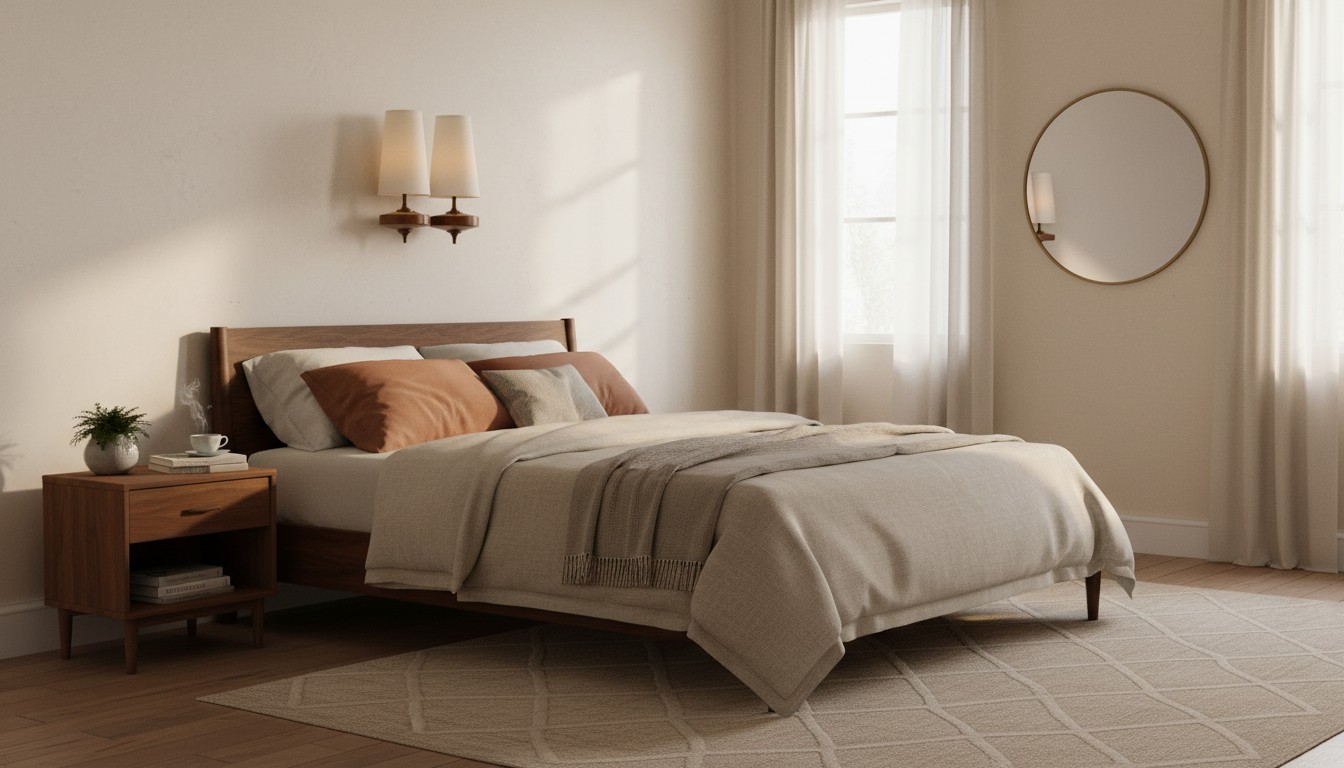
The best bedroom wall lights support relaxation, daily habits, and personal style. By focusing on purpose, placement, light quality, and design harmony, you can choose wall lights that transform your bedroom into a calm, functional retreat.
Thoughtful lighting design turns a bedroom from simply a place to sleep into a space to truly unwind.